

Introduction to React JS UI
Modern websites are expected to be fast, responsive, visually attractive, and easy to use. Businesses, startups, and developers constantly search for technologies that help them create engaging user experiences without sacrificing performance. This is where react js ui development becomes one of the most valuable skills in modern web development.
react js ui provides a component-based architecture that allows developers to build reusable interface elements. Instead of creating every section of a website from scratch, developers can build components once and reuse them throughout an application. This approach improves consistency, reduces development time, and makes maintenance significantly easier.
A great user interface is not only about colors and layouts. It also involves accessibility, responsiveness, navigation, performance, and user satisfaction. A successful website combines visual appeal with functionality. Whether you are building a portfolio, SaaS application, eCommerce store, or business website, react js ui provides all the tools needed to create modern interfaces.
In this detailed guide, you will learn eight powerful UI concepts that can transform ordinary websites into professional digital experiences. Each section includes practical examples and implementation ideas that can be adapted to real-world projects.
Why react js ui Is Perfect for Modern UI Design
react js ui has become one of the most widely used JavaScript libraries because of its flexibility and performance. Developers can create highly interactive applications while maintaining clean code structures. The virtual DOM enables efficient updates, ensuring smooth user interactions.
- Reusable components reduce repetitive coding.
- Fast rendering improves user experience.
- Large ecosystem of UI libraries.
- Excellent community support.
- Scalable architecture for large applications.
- Easy integration with APIs and backend systems.
- Responsive design implementation becomes easier.
Because of these benefits, many companies use react js ui to power enterprise applications, dashboards, customer portals, and interactive websites. The ability to build dynamic interfaces quickly makes it a favorite choice among developers worldwide.
Idea #1: Create a Modern Hero Section
The hero section is often the first thing visitors see when they land on a website. A professionally designed hero area can dramatically improve engagement and encourage users to continue exploring the website.
A successful hero section should include a compelling headline, descriptive content, a call-to-action button, and attractive visuals. Modern react js ui components allow developers to build responsive hero sections that adapt perfectly across devices.
Benefits of a Modern Hero Section
- Improves first impressions.
- Highlights key services.
- Increases conversions.
- Improves user engagement.
Example 1: Hero Component
return (
<section>
<h1>Build Amazing Websites</h1>
<p>Modern react js ui solutions for businesses.</p>
<button>Get Started</button>
</section>
);
}
This simple structure can be enhanced with gradients, animations, illustrations, and responsive layouts. Many successful SaaS websites use this pattern to capture visitor attention immediately.
Idea #2: Responsive Card-Based Layouts
Card layouts remain one of the most effective design patterns in modern web development. They help organize content into visually appealing sections while maintaining readability and consistency.
Cards work exceptionally well for product listings, blog posts, team profiles, testimonials, and service descriptions. react js ui components make it easy to generate cards dynamically using data arrays.
Advantages of Card Layouts
- Easy content organization.
- Mobile-friendly design.
- Scalable architecture.
- Improved visual hierarchy.
Example 2: Dynamic Cards
“Web Development”,
“UI Design”,
“SEO Services”
];
function ServiceCards() {
return (
<div>
{services.map(service => (
<div key={service}>
{service}
</div>
))}
</div>
);
}
This approach allows developers to update content efficiently while maintaining consistent styling throughout the website.
Idea #3: Interactive Navigation Menus
Navigation is one of the most important elements of any website. Users should be able to locate information quickly without confusion. Modern navigation systems often include dropdown menus, sticky headers, mobile navigation drawers, and animated transitions.
react js ui simplifies navigation management by using state and routing libraries. Interactive menus can provide smoother experiences and improve usability.
Features of Effective Navigation
- Clear menu structure.
- Mobile responsiveness.
- Fast accessibility.
- User-friendly animations.
Example 3: Toggle Menu
function Menu() {
const [open, setOpen] = useState(false);
return (
<div>
<button onClick={() => setOpen(!open)}>
Menu
</button>
{open && <ul>
<li>Home</li>
<li>About</li>
<li>Contact</li>
</ul>}
</div>
);
}
Adding transitions and smooth animations can significantly enhance the appearance of navigation systems while keeping them intuitive for users.
Idea #4: Dashboard Style Interfaces
Dashboard interfaces are extremely popular for business applications, analytics platforms, project management systems, and SaaS products. They allow users to view large amounts of information in a structured format.
A dashboard typically contains charts, statistics, activity feeds, user information, notifications, and quick action buttons. React’s component architecture makes dashboard development highly efficient.
Key Dashboard Components
- Data cards.
- Analytics charts.
- Sidebar navigation.
- Tables and reports.
- User management sections.
Example 4: Dashboard Card
return (
<div>
<h2>Total Users</h2>
<p>15,240</p>
</div>
);
}
Business users appreciate dashboards that present information clearly and efficiently. Effective layouts can improve decision-making and increase productivity.
The most successful dashboard interfaces balance aesthetics with functionality. Clean spacing, readable typography, and intuitive navigation contribute to better user experiences.
Best Practices Before Designing Any react js ui Interface
Before building any interface, developers should understand their audience and project goals. User-centered design remains one of the most important factors in creating successful websites. Every design decision should support usability and business objectives.
- Focus on responsive design first.
- Optimize performance and loading speed.
- Use consistent colors and typography.
- Maintain accessibility standards.
- Create reusable components.
- Test across multiple devices.
- Keep interfaces clean and uncluttered.
Following these principles ensures that websites remain attractive, functional, and scalable as they grow over time.
Idea #5: Beautiful Animation and Micro-Interactions
Modern users expect websites to feel alive. Static pages are no longer enough to create memorable digital experiences. One of the most effective ways to improve engagement is through carefully designed animations and micro-interactions. These small visual effects guide users, provide feedback, and make interfaces feel polished.
When implemented correctly, animations improve usability instead of becoming distractions. Buttons can react js ui when clicked, cards can smoothly hover, and content can fade into view while scrolling. These details create a professional experience that visitors appreciate.
Many successful companies use animations to improve navigation, explain product features, and increase conversion rates. The goal is not to overwhelm users but to provide visual feedback that makes interactions intuitive.
Benefits of Micro-Interactions
- Improve user engagement.
- Provide visual feedback.
- Enhance navigation experience.
- Increase perceived quality.
- Support brand identity.
Example 5: Hover Animation Card
return (
<div className=”card”>
<h3>Premium Design</h3>
<p>Modern user interface.</p>
</div>
);
}
Developers can combine CSS transitions with react js ui components to create engaging experiences that remain lightweight and fast.
Idea #6: Dark Mode User Interface
Dark mode has become one of the most requested features in modern web applications. Users appreciate the reduced eye strain, especially during nighttime browsing. Businesses also benefit because dark mode provides a premium and modern appearance.
A well-designed dark theme requires careful attention to color contrast, readability, and accessibility. Text must remain easy to read while maintaining a visually balanced interface.
react js ui allows developers to switch themes dynamically using state management. Theme settings can also be stored in local storage so user preferences remain consistent across sessions.
Dark Mode Advantages
- Improves visual comfort.
- Modern appearance.
- Better user personalization.
- Supports accessibility.
- Enhances brand perception.
Example 6: Theme Toggle
function ThemeSwitcher() {
const [dark, setDark] = useState(false);
return (
<button onClick={() => setDark(!dark)}>
Toggle Theme
</button>
);
}
A flexible theme system ensures that websites remain user-friendly while supporting modern design trends.
Idea #7: Smart Forms with Validation
Forms are essential components of nearly every website. Contact forms, registration forms, login pages, checkout systems, and surveys all rely on user input. Poorly designed forms often frustrate users and reduce conversion rates.
Modern form design focuses on simplicity, instant feedback, and accessibility. Validation messages should appear clearly and help users correct mistakes quickly. react js ui makes this process straightforward by managing form state efficiently.
User-friendly forms can dramatically improve customer acquisition, lead generation, and user satisfaction. Businesses often see measurable improvements after optimizing form experiences.
Features of High-Converting Forms
- Real-time validation.
- Clear error messages.
- Mobile responsiveness.
- Accessibility support.
- Fast submission process.
Example 7: Simple Form Validation
function ContactForm() {
const [email, setEmail] = useState(“”);
const submit = () => {
if (!email.includes(“@”)) {
alert(“Invalid Email”);
}
};
return (
<div>
<input
value={email}
onChange={(e) => setEmail(e.target.value)}
/>
<button onClick={submit}>
Submit
</button>
</div>
);
}
Simple validation techniques can reduce user errors and improve overall website usability.
Idea #8: Mobile-First Responsive Design
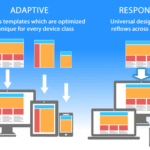
More than half of global web traffic now comes from mobile devices. As a result, modern websites must prioritize mobile usability. Mobile-first design focuses on creating excellent experiences for smaller screens before expanding layouts for larger displays.
Responsive layouts ensure content adapts automatically to different screen sizes. Navigation menus, typography, spacing, and images should all remain usable regardless of device type.
A mobile-first strategy improves accessibility, user satisfaction, and search engine visibility. Search engines reward websites that provide seamless experiences across devices.
Mobile-First Benefits
- Better SEO performance.
- Improved user engagement.
- Higher conversion rates.
- Consistent user experience.
- Future-proof design strategy.
Example 8: Responsive Grid Layout
return (
<div className=”grid”>
<div>Product 1</div>
<div>Product 2</div>
<div>Product 3</div>
</div>
);
}
Responsive design should never be considered optional. It is now a core requirement for professional web development projects.
Advanced UI Design Principles for Professional Websites
Building a visually attractive interface requires more than simply arranging components on a page. Professional designers follow established principles that improve readability, usability, and visual appeal. Understanding these principles helps developers create interfaces that feel polished and trustworthy.
1. Visual Hierarchy
Visual hierarchy guides users toward important information first. Larger headings, bold text, strategic spacing, and contrasting colors help users scan content efficiently.
2. Consistency
Consistent colors, typography, buttons, and layouts create familiarity. Users learn how the interface works faster when design patterns remain predictable.
3. Accessibility
Accessibility ensures websites can be used by everyone, including people with disabilities. Proper contrast ratios, keyboard navigation, and screen reader compatibility should always be considered.
4. Performance Optimization
Fast websites improve user satisfaction and support search engine rankings. Developers should optimize images, reduce unnecessary re-renders, and implement lazy loading where appropriate.
5. White Space Utilization
White space improves readability by separating content into manageable sections. Crowded interfaces often feel overwhelming and reduce engagement.
Common UI Design Mistakes to Avoid
Even experienced developers occasionally make design mistakes that negatively impact usability. Avoiding these issues can significantly improve website performance and user satisfaction.
- Using too many colors.
- Overloading pages with animations.
- Ignoring accessibility guidelines.
- Poor mobile optimization.
- Complicated navigation structures.
- Inconsistent spacing and typography.
- Slow-loading components.
- Lack of visual hierarchy.
Successful interfaces focus on simplicity, clarity, and user needs. Every design decision should improve the overall experience rather than add unnecessary complexity.
Future Trends in Modern Website Interfaces
The web development industry continues to evolve rapidly. Businesses that stay ahead of design trends often gain competitive advantages through improved user experiences. Emerging technologies are transforming how interfaces are designed and experienced.
- AI-powered personalization.
- Voice-enabled interactions.
- Advanced motion design.
- Immersive 3D experiences.
- Progressive web applications.
- Enhanced accessibility tools.
- Real-time collaboration interfaces.
Understanding future trends helps developers create scalable solutions that remain relevant as technology continues advancing.
Professional UI development combines creativity, usability, performance, and business objectives. By mastering these principles and implementing the ideas discussed in this guide, developers can create websites that stand out in highly competitive markets.