
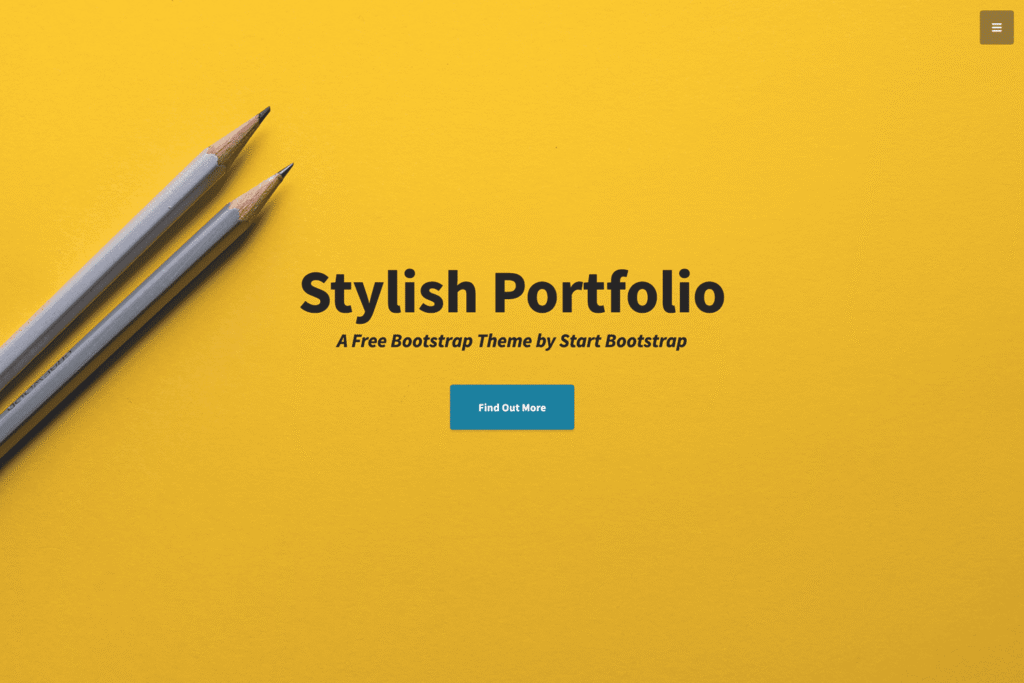

Creating a professional bootstrap portfolio is one of the smartest ways to showcase your skills, projects, achievements, and experience online. Whether you are a web developer, designer, freelancer, student, or business owner, a well-designed bootstrap portfolio can help you attract clients, employers, and opportunities.
Modern web development demands responsive layouts, fast-loading pages, and user-friendly experiences. A bootstrap portfolio provides all these benefits while reducing development time. Thanks to Bootstrap’s responsive grid system, ready-made components, and customization options, building a professional bootstrap portfolio has become easier than ever.
Many developers prefer a bootstrap portfolio because it supports mobile responsiveness, SEO optimization, clean code structure, and excellent browser compatibility. A powerful bootstrap portfolio can significantly improve personal branding and online visibility.
When creating a modern bootstrap portfolio, you should focus on user experience, visual hierarchy, project presentation, performance, and accessibility. A successful bootstrap portfolio is not just about attractive design; it must also communicate expertise and professionalism effectively.
The best bootstrap portfolio websites combine creativity with functionality. From responsive navigation bars to animated project showcases, every section of a bootstrap portfolio should encourage visitors to explore more content.
In this detailed guide, you’ll learn practical strategies for building a high-performing bootstrap portfolio. We will explore design techniques, coding practices, responsive layouts, SEO improvements, project presentation methods, and real-world examples. Whether you’re creating your first bootstrap portfolio or improving an existing bootstrap portfolio, these proven techniques will help you achieve impressive results.
A modern bootstrap portfolio should also highlight your strengths clearly. By applying the tips discussed in this guide, your bootstrap portfolio can stand out from competitors and leave a lasting impression on visitors. These techniques are widely used by professionals who want a successful bootstrap portfolio that drives engagement and career growth.
Why Bootstrap Is Perfect for Portfolio Websites
Bootstrap remains one of the most popular front-end frameworks because it provides a powerful foundation for responsive web design. Developers can build attractive interfaces quickly while maintaining clean and organized code.
- Responsive grid system
- Mobile-first approach
- Reusable UI components
- Fast development workflow
- SEO-friendly structure
- Cross-browser compatibility
- Extensive documentation
These advantages make Bootstrap a preferred choice for portfolio websites, personal brands, freelancer profiles, and business landing pages.
Trick #1: Create an Eye-Catching Hero Section
The hero section is the first thing visitors see. It should instantly communicate who you are, what you do, and why visitors should continue exploring your website.
An effective hero section includes:
- Professional headline
- Clear value proposition
- Call-to-action button
- Professional image
- Responsive layout
Bootstrap Hero Section Example
<div class=”row align-items-center”>
<div class=”col-md-6″>
<h1>Hi, I’m John</h1>
<p>Full Stack Developer</p>
<a href=”#projects” class=”btn btn-primary”>View Projects</a>
</div>
<div class=”col-md-6″>
<img src=”profile.jpg” class=”img-fluid”>
</div>
</div>
</section>
A powerful hero section creates a strong first impression and encourages visitors to explore the rest of your website.
Benefits of a Strong Hero Section
- Improves engagement
- Reduces bounce rate
- Builds credibility
- Highlights expertise
- Supports conversions
Trick #2: Showcase Projects Using Responsive Cards
Projects are the heart of any portfolio website. Visitors want to see your work before making hiring decisions. Bootstrap cards provide an elegant way to display project information.
Each project card should include:
- Project image
- Project title
- Technology stack
- Short description
- Demo link
- GitHub repository link
Bootstrap Project Card Example
<img src=”project.jpg” class=”card-img-top”>
<div class=”card-body”>
<h5>Portfolio Website</h5>
<p>Built using Bootstrap and JavaScript</p>
<a href=”#” class=”btn btn-primary”>View Project</a>
</div>
</div>
Responsive cards automatically adapt to different screen sizes, making them ideal for displaying projects on desktop, tablet, and mobile devices.
Project Showcase Best Practices
- Use high-quality screenshots
- Keep descriptions concise
- Highlight achievements
- Display technologies used
- Include action buttons
Example 1: Developer Portfolio
A software developer can showcase web applications, mobile apps, APIs, and coding projects using Bootstrap cards arranged within a responsive grid layout.
Example 2: Graphic Designer Portfolio
Graphic designers can display branding projects, logo collections, illustrations, and creative work using Bootstrap galleries and card layouts.
Example 3: Freelancer Portfolio
Freelancers can highlight client testimonials, completed projects, and service offerings while maintaining a professional appearance.
Example 4: Student Portfolio
Students can present academic projects, internships, certifications, and achievements to strengthen job applications.
SEO Benefits of Bootstrap Portfolio Websites
Search engine optimization plays a crucial role in online visibility. Bootstrap websites support SEO through clean code structure, responsive design, and faster page loading.
- Mobile-friendly layouts
- Improved Core Web Vitals
- Better user experience
- Structured content sections
- Faster indexing
Combining Bootstrap with high-quality content, optimized images, proper headings, and internal linking can significantly improve rankings.
Trick #3: Build a Professional About Me Section
A portfolio website is not only about projects. Visitors also want to know who you are, what experience you have, and how you can solve their problems. A strong About Me section builds trust and helps establish credibility.
Your About section should explain your background, skills, experience, achievements, and career goals. Keep the content easy to read and focused on value.
Essential Elements of an About Section
- Professional introduction
- Career summary
- Technical skills
- Achievements and certifications
- Personal branding statement
Bootstrap About Section Example
<div class=”row”>
<div class=”col-md-4″>
<img src=”profile.jpg” class=”img-fluid rounded”>
</div>
<div class=”col-md-8″>
<h2>About Me</h2>
<p>I am a passionate web developer with expertise in modern web technologies.</p>
</div>
</div>
</section>
A well-designed About section makes your portfolio more personal and helps visitors connect with your story.
Advantages of a Strong About Section
- Builds trust
- Improves engagement
- Highlights expertise
- Supports personal branding
- Encourages inquiries
Trick #4: Add Testimonials and Social Proof
Testimonials are one of the most effective ways to increase credibility. Positive feedback from clients, colleagues, or employers helps visitors trust your abilities.
Social proof demonstrates real-world results and can significantly increase conversion rates.
What to Include in Testimonials
- Client name
- Position or company
- Short review
- Project outcome
- Professional photo (optional)
Bootstrap Testimonial Card Example
<p>”Excellent work and outstanding communication.”</p>
<h5>John Smith</h5>
<small>Business Owner</small>
</div>
Using testimonial cards within a responsive Bootstrap grid creates a professional and trustworthy appearance.
Benefits of Social Proof
- Increases credibility
- Builds confidence
- Improves conversion rates
- Demonstrates expertise
- Creates trust quickly
Advanced Bootstrap Design Techniques
Modern portfolio websites should look visually appealing while maintaining performance and usability. Bootstrap offers several design tools that can help achieve this balance.
Use Consistent Color Schemes
Choose a primary color palette that aligns with your personal brand. Consistent colors improve user experience and create a professional appearance.
Leverage Bootstrap Utility Classes
Bootstrap utility classes allow developers to manage spacing, alignment, typography, shadows, and responsiveness without writing excessive custom CSS.
Professional Content
</div>
Create Visual Hierarchy
Visual hierarchy guides visitors through your content. Use larger headings, proper spacing, contrasting colors, and clear call-to-action buttons.
Optimize Typography
Readable typography improves engagement and accessibility. Use consistent font sizes, line heights, and heading structures throughout your website.
Example 5: Photographer Portfolio
Photographers can use Bootstrap galleries combined with responsive image grids to showcase their best work. High-quality visuals and category filters improve user experience.
Example 6: UI/UX Designer Portfolio
UI/UX designers can present case studies, wireframes, prototypes, and user journey maps using responsive Bootstrap layouts and modern card components.
Example 7: Digital Marketing Portfolio
Digital marketers can highlight campaign results, SEO achievements, analytics reports, and client success stories to demonstrate expertise.
Example 8: Content Writer Portfolio
Content writers can organize published articles, case studies, blog posts, and writing samples using Bootstrap cards and categorized sections.
Portfolio Performance Optimization
Performance directly impacts user experience and search rankings. Fast websites tend to perform better in search engines and keep visitors engaged longer.
Optimize Images
- Compress images before uploading
- Use WebP format where possible
- Implement lazy loading
- Avoid oversized files
Minify CSS and JavaScript
Minification reduces file sizes and improves loading speed. Combining multiple files can also decrease HTTP requests.
Use a CDN
A Content Delivery Network distributes resources globally and improves loading speed for international visitors.
Enable Browser Caching
Caching helps returning visitors load your website faster by storing static resources locally.
SEO Optimization Strategies for Portfolio Websites
Even the best portfolio design needs proper SEO to attract visitors from search engines. Combining Bootstrap with SEO best practices can improve visibility significantly.
Use Proper Heading Structure
- One H1 per page
- Logical H2 and H3 hierarchy
- Keyword-focused headings
Write Unique Meta Descriptions
Compelling meta descriptions can improve click-through rates and increase search traffic.
Create Internal Links
Internal links help search engines understand your website structure and distribute authority across pages.
Add Alt Text to Images
Descriptive alt text improves accessibility and provides additional SEO value.
Implement Schema Markup
Structured data helps search engines understand your content and can improve search result visibility.
Common Portfolio Mistakes to Avoid
- Slow loading pages
- Too many animations
- Poor mobile responsiveness
- Outdated projects
- Missing contact information
- Weak call-to-action buttons
- Inconsistent branding
- Low-quality images
Avoiding these mistakes can dramatically improve the effectiveness of your portfolio and create a better experience for visitors.