
Bootstrap Modal is one of the most useful UI components available in modern web development. Bootstrap Modal helps developers display important information without redirecting users to another page. Bootstrap Modal improves user experience by creating interactive popup windows for forms, confirmations, notifications, media galleries, and login systems. Bootstrap Modal is widely used because it is responsive, customizable, and easy to implement. Bootstrap Modal allows users to focus on critical content while keeping the main page accessible. Bootstrap Modal reduces navigation friction and improves engagement. Bootstrap Modal works seamlessly across desktop and mobile devices. Bootstrap Modal supports animations, accessibility features, and dynamic content. Bootstrap Modal can be integrated with JavaScript to create powerful interactions. Bootstrap Modal remains a preferred choice among frontend developers. Bootstrap Modal enhances modern interfaces with professional popup experiences. Bootstrap Modal helps businesses increase conversions through targeted interactions. Bootstrap Modal provides flexibility for developers building scalable applications. Bootstrap Modal can be customized with styling and advanced functionality. Bootstrap Modal supports forms, images, videos, and dynamic content loading. Bootstrap Modal contributes to cleaner layouts and better usability. Bootstrap Modal is essential for responsive websites. Bootstrap Modal continues to be a valuable component in Bootstrap UI development.
Modern websites require engaging interfaces that keep visitors focused on important actions. Whether you are building an eCommerce store, portfolio website, SaaS platform, dashboard, or educational portal, modals provide an elegant way to present information. Instead of loading a separate page, users can complete tasks directly within a popup window.
Developers frequently use modals for user registration, newsletter subscriptions, image galleries, notifications, contact forms, onboarding guides, and payment confirmations. Because Bootstrap provides built-in modal functionality, implementation becomes faster and more reliable.
What Is a Bootstrap Modal?
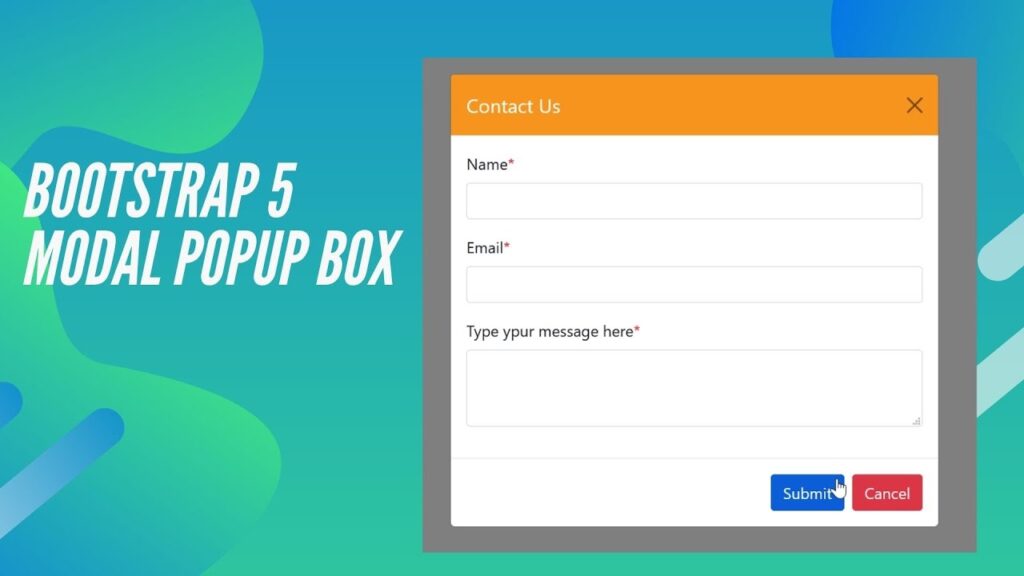
A modal is a popup dialog box that appears above the current webpage content. It temporarily disables interaction with the background until the user closes the popup or completes an action.
Bootstrap’s modal component provides a responsive framework for creating these popup windows with minimal code. It includes built-in support for animations, accessibility improvements, keyboard navigation, and dynamic content loading.
- User login forms
- Registration popups
- Confirmation dialogs
- Image galleries
- Video popups
- Newsletter subscriptions
- Terms and conditions
- Product quick views
Why Developers Love Bootstrap Modals
Bootstrap popups save time and improve user experience. Instead of navigating users away from their current page, modals keep interactions focused and streamlined.
- Easy implementation
- Mobile responsive design
- Accessibility support
- Customizable appearance
- Built-in animations
- Supports forms and media
- Improves conversion rates
- Works with JavaScript events
Trick #1: Create a Professional Login Popup
One of the most common modal implementations is a login popup. Instead of redirecting users to another page, websites can display authentication forms inside a modal window.
data-bs-target=”#loginModal”>
Login
</button>
Benefits include faster access, reduced bounce rates, and smoother user onboarding experiences.
Example 1: Simple Login Modal
<div class=”modal-dialog”>
<div class=”modal-content”>
<div class=”modal-header”>
<h5>Login</h5>
</div>
<div class=”modal-body”>
<input type=”email” class=”form-control”>
</div>
</div>
</div>
</div>
Example 2: Newsletter Subscription Popup
Many businesses use modal windows to capture email subscribers. These popups are effective because they appear at strategic moments during the user journey.
placeholder=”Enter your email”>
Trick #2: Product Quick View Modal
ECommerce websites frequently use quick-view modals to display product details without forcing customers to leave category pages. This technique improves browsing efficiency and increases purchase opportunities.
A product quick view modal may contain:
- Product images
- Pricing information
- Ratings and reviews
- Add-to-cart button
- Product description
Example 3: Product Quick View Popup
Quick View
</button>
Online stores benefit significantly from this approach because users can compare products rapidly without loading multiple pages.
Example 4: Product Gallery Modal
A gallery popup allows visitors to enlarge images and browse product photos in a distraction-free environment.
class=”img-fluid”>
Trick #3: Confirmation Dialog Popups
Confirmation modals prevent accidental actions such as deleting records, canceling subscriptions, removing files, or submitting forms. This simple feature protects users from unintended mistakes.
Benefits include:
- Better user safety
- Reduced errors
- Improved trust
- Professional UX
- Higher customer satisfaction
Example 5: Delete Confirmation Modal
Delete Record
</button>
When users click the delete button, a confirmation popup appears asking whether they are sure they want to continue. This extra step significantly reduces accidental data loss.
SEO Benefits of Using Bootstrap Modals
Although modals do not directly improve rankings, they contribute to a better user experience. Improved engagement metrics, lower bounce rates, and higher conversions can positively influence overall website performance.
- Better content accessibility
- Improved user engagement
- Faster interactions
- Reduced page reloads
- Enhanced mobile usability
Trick #4: Video Popup Modals for Higher Engagement
Video content continues to dominate digital marketing because it captures attention quickly and communicates information effectively. Instead of embedding large videos directly on a page, developers often use Bootstrap modal popups to display video content only when users request it.
This approach improves page speed while still providing an engaging multimedia experience. Businesses commonly use video modals for product demonstrations, tutorials, testimonials, onboarding guides, and promotional campaigns.
- Improves user engagement
- Reduces page clutter
- Enhances conversion opportunities
- Supports responsive design
- Provides professional presentation
Example 6: YouTube Video Modal
data-bs-toggle=”modal”
data-bs-target=”#videoModal”>
Watch Video
</button>
A video popup can dramatically increase the amount of time visitors spend on a website while keeping the main layout clean and organized.
Example 7: Product Demonstration Modal
height=”315″
src=”https://www.youtube.com/embed/videoid”>
</iframe>
Many eCommerce businesses use demonstration videos inside modals to explain product features without redirecting visitors to external pages.
Trick #5: Dynamic Content Loading Modals
Advanced developers often use dynamic content loading inside modal windows. Instead of hardcoding information directly into the page, content can be fetched using JavaScript and displayed when users trigger the popup.
This technique is especially useful for:
- User profile information
- Product details
- Order summaries
- Dashboard analytics
- Support tickets
- Customer records
Dynamic content reduces page size and creates more scalable web applications. It also helps improve performance because only the required information is loaded when needed.
Example 8: AJAX Content Modal
.then(response => response.json())
.then(data => {
document.getElementById(‘content’).innerHTML =
data.message;
});
This example demonstrates how information can be retrieved asynchronously and displayed inside a popup window.
Example 9: User Profile Popup
View Profile
</button>
Social media platforms and dashboard applications frequently use profile modals to provide instant access to user information without loading a new page.
Example 10: Order Details Modal
View Order
</button>
Online stores and SaaS dashboards commonly display order summaries and transaction details within modal windows to streamline navigation.
Bootstrap Modal Best Practices
While modals are extremely useful, they should be implemented thoughtfully. Poorly designed popups can frustrate users and negatively impact user experience.
- Keep content concise and relevant.
- Avoid showing multiple modals simultaneously.
- Ensure mobile responsiveness.
- Provide visible close buttons.
- Support keyboard navigation.
- Use clear call-to-action buttons.
- Optimize loading performance.
- Maintain accessibility standards.
- Test across browsers and devices.
- Avoid excessive popup interruptions.
Common Bootstrap Modal Mistakes to Avoid
Even experienced developers occasionally misuse modal components. Understanding common mistakes can help create better user experiences.
- Using oversized modal windows.
- Displaying excessive text.
- Ignoring accessibility guidelines.
- Forcing users to interact with unnecessary popups.
- Loading heavy media files without optimization.
- Using modals for critical navigation.
- Poor mobile responsiveness.
- Missing close buttons.
- Slow-loading content.
- Overusing animations.
Bootstrap Modal vs Traditional Popups
Traditional browser popups are often blocked and provide limited customization options. Bootstrap modal windows offer a modern alternative with responsive design, advanced styling, accessibility support, and seamless integration into existing websites.
| Feature | Bootstrap Modal | Traditional Popup |
|---|---|---|
| Responsive | Yes | Limited |
| Customizable | Highly | Minimal |
| Accessibility | Excellent | Basic |
| User Experience | Superior | Average |
Frequently Asked Questions (FAQs)
1. What is a Bootstrap Modal?
A Bootstrap modal is a responsive popup component that displays content above the current webpage without requiring navigation to another page.
2. Is Bootstrap Modal mobile-friendly?
Yes. Bootstrap modals are designed to be fully responsive and work effectively on desktops, tablets, and smartphones.
3. Can I place forms inside a modal?
Absolutely. Login forms, registration forms, contact forms, and surveys are commonly displayed within modals.
4. Does Bootstrap Modal support videos?
Yes. Developers frequently embed YouTube videos, product demonstrations, and tutorials inside modal windows.
5. Can I load content dynamically?
Yes. JavaScript and AJAX can be used to load content dynamically when the modal opens.
6. Are Bootstrap modals accessible?
Bootstrap includes accessibility features such as keyboard navigation, focus management, and screen reader support.
7. Do modals affect SEO?
Indirectly. Better user experience, improved engagement, and reduced bounce rates can contribute positively to overall website performance.
8. Can I customize modal sizes?
Yes. Bootstrap provides multiple size options including small, large, and extra-large modal layouts.
9. Should I use multiple modals on one page?
You can, but excessive usage may negatively affect usability. Focus on maintaining a clean user experience.
10. Is Bootstrap Modal suitable for modern websites?
Yes. It remains one of the most popular UI components for creating professional, responsive, and interactive web experiences.
Conclusion
Bootstrap modals are among the most versatile UI components available to modern developers. From login forms and confirmation dialogs to video popups and dynamic content loading, modals help create engaging user experiences while maintaining clean and efficient interfaces.
The five brilliant popup tricks discussed in this guide demonstrate how businesses, designers, and developers can leverage modal windows to improve usability, increase engagement, and streamline workflows. By following best practices and avoiding common mistakes, developers can create professional websites that deliver exceptional user experiences across all devices.
Hashtags
#BootstrapModal, #BootstrapPopup, #BootstrapUI, #BootstrapCoding, #WebDevelopment, #FrontendDevelopment, #ResponsiveDesign, #BootstrapTutorial, #UIUXDesign, #FreshBlog